Consulting
Energy saving buildings


Energy saving buildings
Energy saving buildings refer to the basic methods of climate design and energy conservation, which include zoning, grouping and individual buildings, building orientation, spacing, solar radiation, and wind direction in building planning
Low energy buildings designed after studying the external spatial environment.
The main indicators of energy-saving buildings are: building planning and layout should be conducive to natural ventilation, and the greening rate should not be less than 35%; The spacing between buildings should ensure that each household has at least
A living space can receive 2 hours of full window sunlight on a cold day.
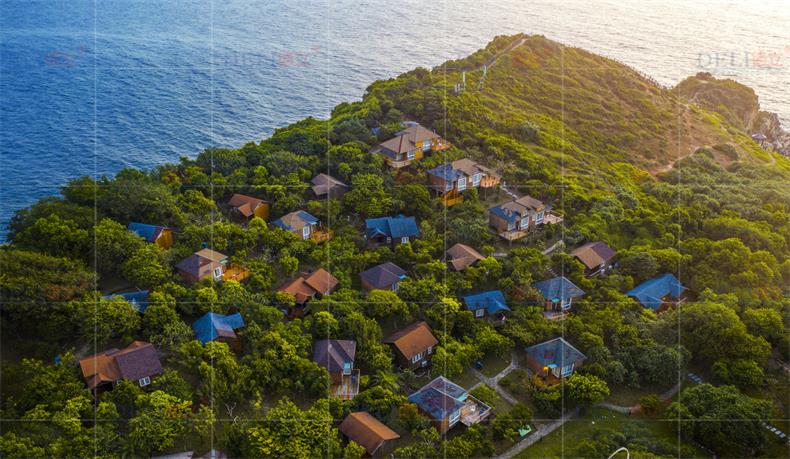
Advantages of energy-efficient buildings:
1、 Reduce resource consumption. Design, construction, and use should reduce resource consumption;
2、 High performance quality. The structural materials should have sufficient strength, durability, enclosure structure, insulation, and waterproofing; …
3、 Reduce environmental pollution. Using low pollution materials and utilizing clean energy;
4、 Long lifespan;
5、 Reuse and recycle more.